


00110A Ferrule For Sae100R1AT/Din20022 1SN Hose
Cat:Ferrules
Description Of Products: 1. Raw Material: Carbon Steel & Stainless Steel available 2. Standard Plating: Trivalent Zinc Plating ( Cr3 / Chrome...
See Details正しい選択 油圧ホースフェルール は、ホースの種類、動作圧力、流体の適合性、アセンブリにスカイビングが必要かどうかという 4 つの要素によって決まります。フェルールの不一致は、油圧ホース アセンブリの故障の主な原因であり、ホースの磨耗やフィッティングの欠陥ではなく、産業環境における計画外の油圧システムのダウンタイムの推定 23% を占めています。最初から正しく選択することで、漏れをなくし、吹き飛ばしを防ぎ、汎用コンポーネントや誤って指定されたコンポーネントと比較して、アセンブリの耐用年数を 30 ~ 50% 延長します。
油圧ホースフェラル (とも呼ばれます) 油圧ホーススリーブ ) は、ホース本体内のフィッティングステムをロックするために、油圧ホースの外側カバーの周りに圧着された金属カラーです。ホースのブランド、ホースのサイズ、継手のシリーズ間で互換性はありません。このガイドでは、エンジニア、調達チーム、メンテナンス専門家が 2026 年に情報に基づいた意思決定を行えるよう、材料、規格、サイズ、圧着仕様、用途など、あらゆる選択変数について詳しく説明します。
A 油圧ホースフェルール 精密に機械加工された円筒形のスリーブで、圧着前にホースの端にかぶせられます。圧着プロセス中、油圧圧着機にセットされたダイがフェルールを半径方向内側に圧縮し、同時にホースの外側カバー、補強編組またはスパイラル層、および継手のバーブまたは鋸歯状ステムの周囲の内側チューブを圧縮します。結果として生じる機械的干渉により、接着剤、クランプ、溶接を使用せずに、漏れのない高圧シールが形成されます。
動作原理は制御された塑性変形に依存します。フェルールの壁が圧着圧力 (ホースのサイズに応じて通常 40 ~ 120 トンの力) で潰れると、圧縮荷重がホースの周囲全体に均等に伝達されます。この均一な圧縮により、工場品質の圧着アセンブリと現場で製造されたクランプ接続とが区別されます。適切に圧着されたアセンブリの破裂圧力定格は、常に最大使用圧力の 4 倍 (SAE J517 による) に達しますが、クランプ スタイルの代替品が安全係数の 2 ~ 2.5 倍を超えることはほとんどありません。
図 1: ホースの終端方法における破裂対使用圧力の安全率の比較。適切に圧着された油圧ホース フェルールは、4:1 という最高の安全マージンを実現し、SAE J517 要件を満たします。この利点は、再利用可能な代替品やクランプ式の代替品が許容できない故障リスクを引き起こす高サイクルおよび高圧の用途で最も顕著になります。
フェルールの形状 (内径、肉厚、長さ) は、特定のホース構造および継手シリーズと一致するセットとして設計されています。異なる適合セットのコンポーネントを混合すると、寸法が似ているように見えても、制御されていない圧着形状が生じ、引き剥がし強度と圧力保持力の両方が損なわれます。だからこそ、信頼できる人は皆、 油圧フェルールメーカー では、一般的なサイズ表ではなく、圧着仕様表を提供します。
最も基本的な分類は、 油圧ホースフェルール 選択は、アセンブリにスカイビングが必要かどうか、つまりフィッティングを挿入する前にホースの外側カバーを取り外すかどうかです。この区別により、組み立て時間、工具要件、各フェルール タイプの許容ホース構造が決まります。
スカイブ フェルールでは、フィッティングを挿入する前に、ホースの外側カバーを規定の長さ (ホースの直径に応じて通常 10 ~ 25 mm) だけ剥がして、ワイヤ編組またはスパイラル補強材を露出させる必要があります。その後、フェルールが露出した補強材に直接圧着され、最大限の機械的接触が得られます。このアプローチは標準です 油圧ホースアセンブリ 高圧用途 (400 bar 以上) で使用され、一部の SAE 100R12 および R13 マルチスパイラル ホース構造では必須です。トレードオフは組み立て時間です。スカイビングでは組み立ての端ごとに 2 ~ 4 分かかり、特定のホースの壁の厚さに合わせて調整された専用のスカイビング ツールが必要です。
ノンスカイブフェルール 無傷のホースの外側カバーを圧着するように設計されており、スカイビングステップを完全に排除します。フィッティングステムには、圧着中にカバーを貫通して補強材に入る強力な鋸歯状または返しが付いています。ノンスカイブフェルールは、組み立て時間を 30 ~ 40% 短縮し、必要なオペレータのスキルが少ないため、現場での組み立て作業の大部分を占めています。これらは、適切なホース構造で最大 420 bar の圧力に対して完全に検証されており、SAE 100R1、R2、R16、および R17 ホース タイプに推奨されます。
| 属性 | スカイブフェルール | ノンスカイブフェルール |
|---|---|---|
| 組み立て準備時間 | 片端あたり 2 ~ 4 分 | 余分な準備は不要 |
| 最大圧力能力 | 最大700バール | 最大420バール |
| オペレータのスキルが必要 | より高い | 下位 |
| 代表的なホースの種類 | R9、R12、R13、R15 | R1、R2、R16、R17 |
| 現場での組み立ての適合性 | 中等度 | 素晴らしい |
材料の選択 油圧圧着フェルール 動作環境の腐食性、プロセス流体の適合性、および温度範囲の 3 つの要因によって決まります。腐食性の海洋環境や化学環境で不適切な材料を使用すると、フェルールの耐用年数が数年から数週間短くなる可能性があります。
図 2: 5 つの基準にわたって炭素鋼と 316L ステンレス鋼の油圧フェルールを比較したパフォーマンス レーダー。ステンレス鋼は耐食性、温度範囲、化学的適合性の点で優れていますが、炭素鋼はより優れたコスト効率と同等の引張強度を提供します。どちらを選択するかは、初期の材料コストだけではなく、サービス環境によって決定する必要があります。
油圧ホースとフェルールの仕様は、SAE International (Society of Automotive Engineers) と DIN (Deutsches Institut für Normung) という 2 つの主要な国際規格団体によって管理されています。これらの規格は、フェルールの寸法だけでなく、ホースの構造、圧力定格、圧着直径、引き抜き力の要件など、完全なアセンブリ システムを定義します。検証済みの規格外のフェルールを指定すると、アセンブリの性能認証が無効になるエンジニアリング上の決定になります。
関連する主要な規格 油圧ホース継手 フェルールの選択には次のものが含まれます。
から調達する場合 油圧フェルールメーカー 、フェルールが単にどの規格に従って製造されたかだけでなく、どの規格シリーズに対してフェルールが検証されているかを確認する文書を常に要求してください。 SAE 公差に従って製造されたフェルールでも、対応するホースおよびフィッティングを備えた圧着システムの一部としてテストされていない場合、アセンブリの検証に合格しない可能性があります。
正しいものを選択する 油圧フェルールのサイズ には、ホース ダッシュ サイズ (1/16 インチ単位の内径)、ホース シリーズ (外径と肉厚を決定する)、および使用している継手のシリーズという 3 つの測定値を知る必要があります。これら 3 つの変数が一緒になってフェルールの内径 (ID)、外径 (OD)、および長さを定義します。これらはいずれも 1 回の測定だけから推定することはできません。
| ホースダッシュのサイズ | ホース内径(mm) | ヘルール内径(mm) | ヘルール外径(mm) | ヘルール長さ(mm) | 最大 WP (バー) |
|---|---|---|---|---|---|
| -04 | 6.4 | 14.6 | 20.2 | 22.0 | 400 |
| -06 | 9.5 | 18.8 | 25.2 | 25.5 | 350 |
| -08 | 12.7 | 22.5 | 30.0 | 28.6 | 275 |
| -10 | 15.9 | 27.5 | 35.5 | 32.0 | 215 |
| -12 | 19.1 | 32.2 | 41.2 | 36.5 | 215 |
| -16 | 25.4 | 40.6 | 51.0 | 42.0 | 180 |
図 3: SAE 100R2 AT ダッシュ サイズにわたるフェルール外径の推移。非線形の OD の増加は、内径の増加に伴うホースの壁厚と補強材の嵩の増加を組み合わせたものを反映しています。これは、ホース ID だけでフェルールのサイズを決めるだけでは不十分であることを意味します。圧着ダイに適切なフェルール OD を選択するには、ホース シリーズと外径の両方を確認する必要があります。
の 油圧ホースの圧着 このプロセスでは、個々のコンポーネント (ホース、継手、フェルール) が検証済みの圧力アセンブリに変換されます。各ステップには許容範囲が定義されています。どのステップコンパウンドでもエラーが発生し、アセンブリが目視検査に合格しても圧力サイクル下では不合格となる可能性があります。次の順序は、工場および現場での生産量の大部分を占める非スカイブ フェルール アセンブリに適用されます。
Figure 4: Relationship between crimp diameter deviation and pull-off strength for a representative -08 hose assembly. Maximum pull-off strength is achieved at the specified target crimp diameter; deviations in either direction — under-crimp or over-crimp — reduce retention strength significantly. A -3% under-crimp reduces pull-off strength by approximately 80% from peak, which explains why crimp diameter measurement is non-negotiable in every production assembly.
Field failure analysis of hydraulic hose assemblies consistently identifies a short list of root causes. Understanding these failure modes allows procurement and maintenance teams to implement preventive controls rather than reactive replacements.
Figure 5: Distribution of root causes in hydraulic hose assembly field failures based on aggregated maintenance data. The leading cause — wrong ferrule or fitting combination — is entirely preventable through proper component matching at the specification stage. Together, the top two causes (ferrule mismatch and incorrect crimp diameter) account for exactly half of all assembly failures, reinforcing the importance of validated crimp specifications over ad-hoc assembly practices.
Hydraulic Hose Sleeves and ferrules serve as the structural backbone of fluid power systems across a broad range of industries. Each sector imposes distinct requirements on pressure rating, material, cleanliness, and documentation — and the ferrule specification must match these requirements as precisely as the hose and fitting selections.
Q1: Can I reuse a hydraulic hose ferrule after removing it?
No. Once a ferrule has been crimped, the plastic deformation is permanent and the internal geometry is altered. Attempting to re-crimp a used ferrule will not reproduce the original crimp profile, resulting in an assembly with unpredictable pull-off strength and pressure retention. Ferrules are single-use components; always use a new ferrule for each assembly, including rework of a previously crimped hose end.
Q2: Are hydraulic hose ferrules and hydraulic hose sleeves the same thing?
Yes — the terms 油圧ホースフェルール and hydraulic hose sleeve refer to the same component in most contexts. "Ferrule" is the predominant term in North American and SAE-standard environments, while "sleeve" is more commonly used in European (DIN-standard) and some Asian markets. Both describe the cylindrical metal collar crimped over the hose end to retain the fitting. Some suppliers distinguish "sleeve" as referring specifically to the outer protective sheath on the hose body, so it is worth confirming terminology when placing orders internationally.
Q3: How do I know if my crimp ferrule is under-crimped or over-crimped?
の only reliable method is to measure the finished crimp diameter with a calibrated crimp gauge or outside micrometer and compare it against the manufacturer's crimp specification table. Visually, an under-crimped assembly may show the ferrule slightly loose on the hose after crimping. An over-crimped ferrule may show surface cracking on the ferrule wall or visible deformation of the fitting body. Neither visual check is a substitute for dimensional measurement — accept or reject assemblies based on the measured crimp diameter, not appearance alone.
Q4: What is the difference between a skive and non-skive ferrule — and which should I choose?
Skive ferrules require stripping the hose outer cover before assembly, providing direct contact between the ferrule and the wire reinforcement. They are preferred for pressures above 420 bar and for multi-spiral hose constructions (R9, R12, R13). ノンスカイブフェルール crimp over the intact hose cover and are suitable for pressures up to approximately 420 bar on single and double wire braid hose (R1, R2, R16, R17). For most workshop and field applications below 420 bar, non-skive is the practical choice due to faster assembly and lower operator training requirements. For high-pressure or critical applications, confirm the correct type with the hose and fitting manufacturer's specification table.
Q5: Do stainless steel hydraulic ferrules require different crimping settings than carbon steel?
ステンレス鋼製油圧フェルール typically require higher crimping force than carbon steel ferrules of the same dimension, because stainless steel has higher yield strength and work-hardens more rapidly during deformation. The target crimp diameter remains the same — it is determined by the hose construction, not the ferrule material — but the crimping machine must be capable of generating sufficient force throughout the full stroke. Always verify that your crimping equipment's rated capacity covers stainless ferrule applications at the hose sizes you intend to assemble, and re-confirm crimp diameters after switching materials, as machine calibration can drift under higher load cycles.
Q6: Can I use ferrules from one manufacturer with hose and fittings from another?
This is technically possible in some cases but carries significant risk. Ferrule ID tolerances, wall thickness, and length are optimized as part of a matched system with a specific hose OD and fitting stem geometry. Mixing components from different manufacturers without validated crimp specifications introduces uncertainty in crimp diameter targets and pull-off performance. If cross-manufacturer use is unavoidable, the assembly must be tested to the applicable SAE or ISO standard — burst test, impulse test, and pull-off — before being put into service. Relying on dimensional similarity alone is not an acceptable engineering basis for approval.
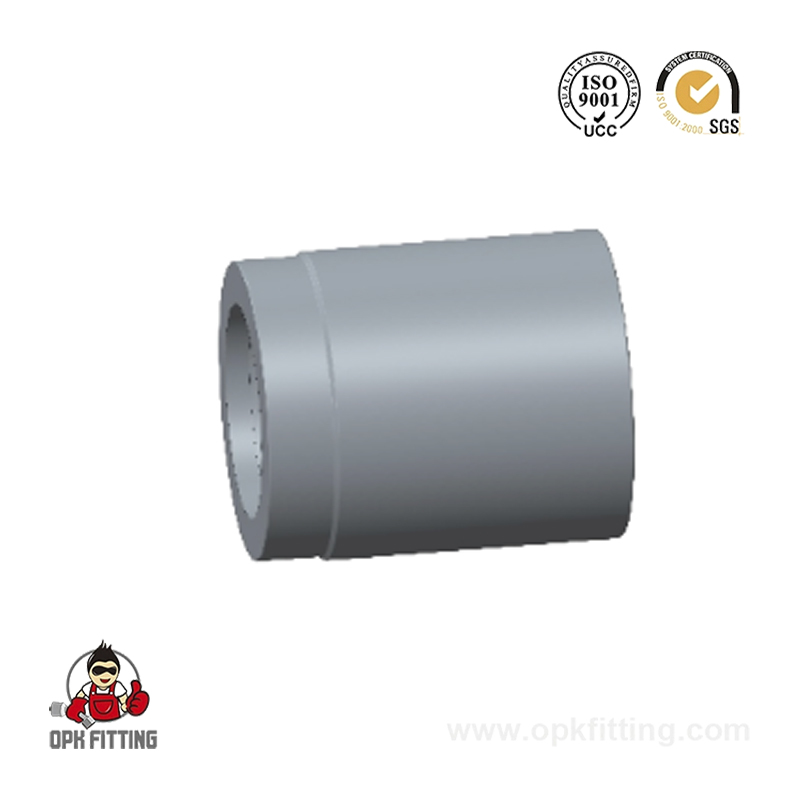
Description Of Products: 1. Raw Material: Carbon Steel & Stainless Steel available 2. Standard Plating: Trivalent Zinc Plating ( Cr3 / Chrome...
See Details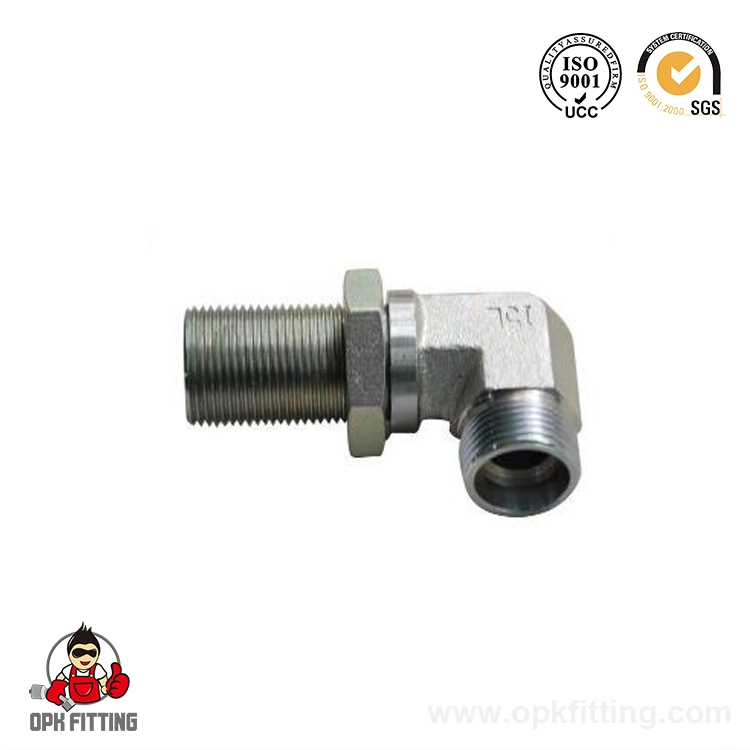
Product Description hydraulic adaptor metric male O-Ring flat sealing pipe fittings Material: Carbon Steel, Stainless Steel Surfac...
See Details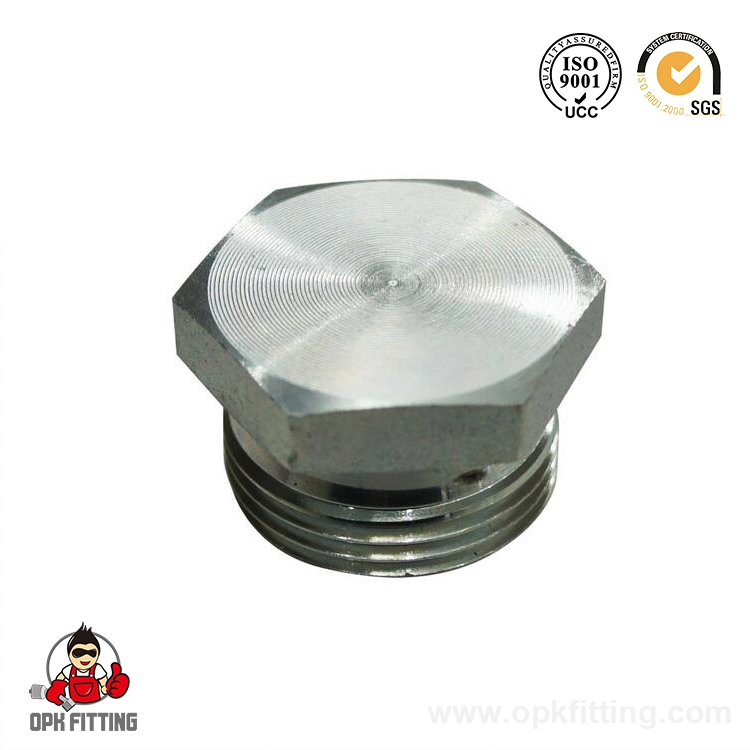
Product Description hydraulic adaptor metric male O-Ring flat sealing pipe fittings Material: Carbon Steel, Stainless Steel Surfac...
See Details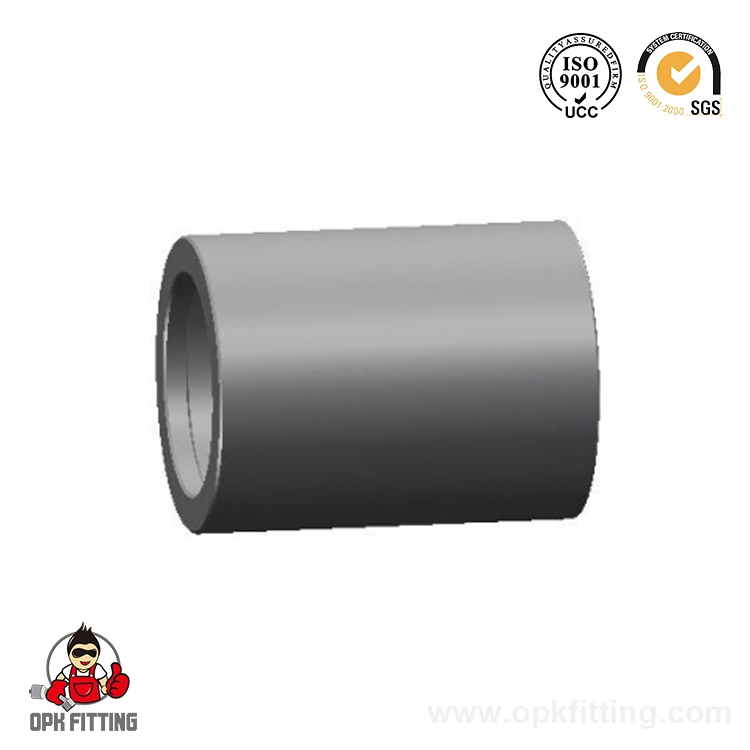
Description Of Products: 1. Raw Material: Carbon Steel & Stainless Steel available 2. Standard Plating: Trivalent Zinc Plating ( Cr3 / Chrome...
See Details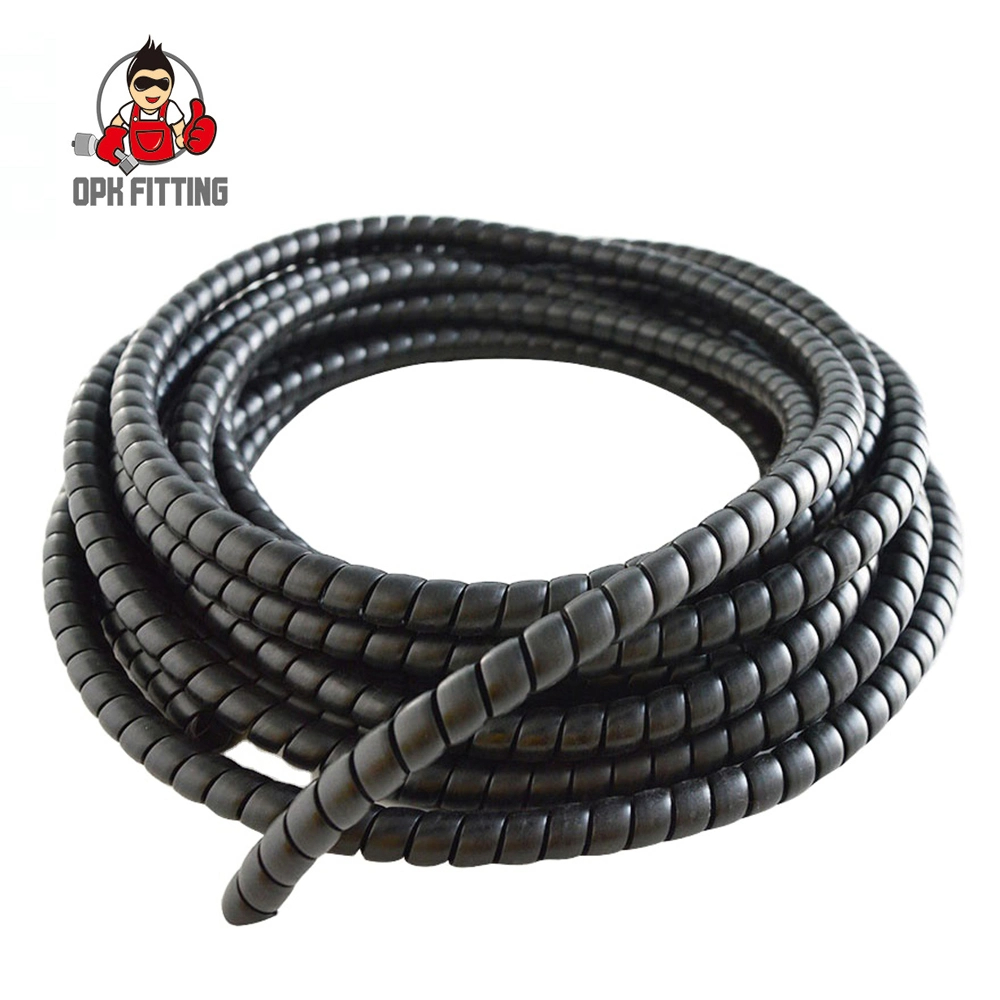
PRODUCT NAME: Spiral Protective Sleeve PP plastic hose guard for hydraulic hose Recommended For: The use of Spiral Guard Wrap is an economical...
See Details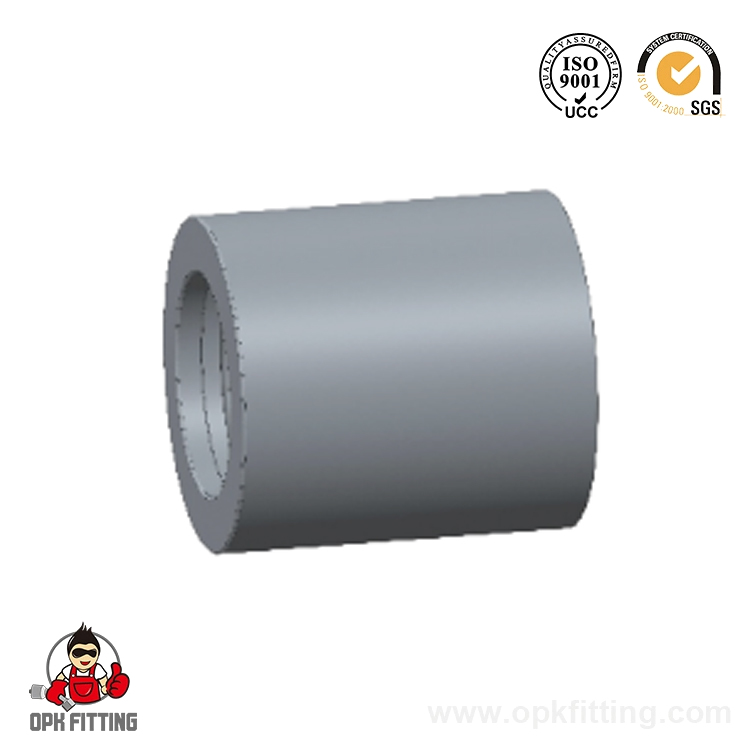
Description Of Products: 1. Raw Material: Carbon Steel & Stainless Steel available 2. Standard Plating: Trivalent Zinc Plating ( Cr3 / Chrome...
See Details

+86-18868902802


No. 298, Chenghai Road, Binhai New District, Fenghua Economic Development Zone, Fenghua District, Ningbo City, Zhejiang Province, China
著作権@ Ningbo Opk Fitting Co., Ltd. Hydraulic Hose Fittings Manufacturers OEM & Custom Adaptors Company
