


4n 5n Hose Fitting Plug
Cat:Hydraulic Adapters
Product Description hydraulic adaptor metric male O-Ring flat sealing pipe fittings Material: Carbon Steel, Stainless Steel Surface Treatm...
See Detailsホースフィッティングの故障は、流体輸送および油圧システムにおいて最も一般的でコストがかかる問題の 1 つです。 ホース継手の故障の主な原因は、不適切な取り付け、材料の不適合、圧力過負荷、腐食、機械的疲労です。 これらの根本原因を理解することは、エンジニア、調達チーム、メンテナンス専門家にとって不可欠です。 工業用ホース継手 要求の厳しい環境で。この記事では、データ、ビジュアル、実践的なガイダンスを使用して各障害モードを詳しく説明します。これにより、ダウンタイムが始まる前にダウンタイムを防ぐことができます。
から調達しているかどうか 工業用ホース継手メーカー または、既存の油圧アセンブリのフリートを管理し、警告サインを早期に認識し、故障の仕組みを理解することは、耐用年数を延ばし、交換コストを大幅に削減するのに役立ちます。
産業用メンテナンス記録のデータは、ホース継手の故障の大部分が予防可能であることを一貫して示しています。以下のグラフは、製造、建設、重荷重産業における油圧および流体システム全体で最も頻繁に報告される根本原因を示しています。
図示されているように、 不適切な取り付けだけでも、すべての取り付け失敗の 3 分の 1 以上を占めます。 — この数字は、フィッティングの品質に関係なく、正しい組み立て技術がいかに重要であるかを強調しています。圧力過負荷と腐食はさらに 40% の影響を及ぼし、材料の選択とシステム設計が同様に重要な要素となります。これらの統計は、建設、製造、海洋工学などの分野における油圧システム全体の産業メンテナンス調査から得られています。
これらの数字は、たとえ最高級品であっても、基本的な真実を強調しています。 標準ホース継手 評判の良い人からの 工業用ホース継手サプライヤー 正しく取り付けられなかったり、定格条件を超えて使用されたりすると、早期に故障します。予防は知識から始まり、以下のセクションでは各障害モードについて詳しく説明します。
不適切な取り付けは、ホースの取り付けが早期に失敗する唯一の最大の原因です。これには、ねじ接続の締めすぎまたは締めすぎ、組み立て中のフィッティングの位置のずれ、不適切なトルク値の使用、フェルールまたは圧着スリーブの適切な取り付けの失敗など、幅広いエラーが含まれます。これらの間違いはそれぞれ応力集中を引き起こし、最初の加圧サイクルから継手の完全性を損ないます。
締めすぎは特に有害です — BSP 構成と NPT 構成の両方で、フィッティング シートが歪んだり、フェルールに亀裂が入ったり、ねじ山が剥がれたりする可能性があります。一方、締め付けが不十分だと、微量の漏れが発生し、界面の腐食が促進され、圧力スパイクによる突然の吹き飛ばしが発生します。研究によると、取り付け関連の故障の 60% 以上には、不適切なトルクの適用が関係しています。
| インストールエラー | 故障モード | 推定障害タイムライン |
|---|---|---|
| 締めすぎ | 糸剥がれ、シート歪み | 即時から30日まで |
| 締め付け不足 | 圧力による漏れ、吹き飛ばし | 数日~3か月 |
| 位置ずれ | 横荷重疲労、ホースのよじれ | 1~6ヶ月 |
| 不適切な圧着 | スリーブ引き出し、流体バイパス | 即日~2週間程度 |
| ネジ山シーラントの欠品 | ゆっくりとした漏れ、腐食の侵入 | 2週間から6ヶ月 |
適切な組み立てトレーニングと校正されたトルクレンチの使用が最も効果的な対策です。資格のある業者から調達する場合 OEMホース継手工場 、製品ドキュメントの一部として、取り付けトルクの仕様と組み立てガイドラインを必ずリクエストしてください。
毎 工業規格のホース継手 定格最大使用圧力 (MWP) を備えています。このしきい値以上で一貫して動作したり、継手を突然の圧力サージにさらしたりすると、耐用年数が大幅に短くなります。油圧システムは、通常の動作圧力の 4 ~ 6 倍を瞬間的に超える圧力スパイク (ウォーターハンマー効果) を生成するため、特に脆弱です。
高圧ホース継手メーカー 安全係数 (通常は 4:1) を使用して製品を設計しているため、定格 400 bar の継手は 1600 bar までテストされます。ただし、サージ イベントが繰り返されると、たとえ単一のイベントがバーストしきい値を超えなかったとしても、時間の経過とともに微小亀裂や金属疲労によってこの安全マージンが侵食されます。
上の折れ線グラフは、一貫した傾向を示しています。毎日の圧力サージ イベントの頻度が増加するにつれて、ステンレス鋼と炭素鋼の両方の継手の推定耐用年数は減少します。ただし、その減少率は炭素鋼の方が著しく急です。 信頼できるステンレス鋼ホース継手メーカーのステンレス鋼ホース継手は、大幅に優れた耐圧力疲労性を示します。 特に、1 日に 10 回を超えるサージ イベントが発生するシステムではそうです。このデータは、油圧プレス、射出成形、船舶用油圧アプリケーションで観察された実際のパフォーマンス パターンを反映しています。
圧力過負荷の障害を軽減するには、システム設計者は圧力リリーフバルブを取り付け、サージエネルギーを吸収するためにアキュムレータを使用し、アプリケーションに適切な安全率を備えた継手を常に指定する必要があります。疑問がある場合は、資格のある専門家に相談してください 高圧ホース継手メーカー アプリケーション固有の推奨事項については、
腐食はフィッティングの不具合の約 18% の原因であり、突然の完全な不具合を引き起こす前に目に見えない形で進行することが多いため、特に潜行性です。腐食の種類は、材料、流体の化学的性質、および環境によって異なります。電解腐食は、電解質の存在下で異種金属が互いに接触すると発生します。すきま腐食は、ねじ山の境界面の狭い隙間に発生します。孔食は局所的な表面欠陥を攻撃し、亀裂の核となる応力上昇を引き起こします。
真鍮ホース継手のサプライヤー そして ステンレス鋼ホース継手メーカー コーティングされていない炭素鋼の代替品よりも本質的に優れた耐食性を備えた継手を製造します。化学的に攻撃的な媒体(酸、塩水、塩素水、または酸化性流体)の場合は、316L ステンレス鋼または特殊合金の継手が推奨されます。亜鉛メッキ炭素鋼継手は適度な腐食保護を提供しますが、海洋または化学処理環境には適していません。
縦棒グラフは、材料の選択によって大きな性能の差があることを明確に示しています。 316L ステンレス鋼は 100 点中 95 点の耐食性スコアを達成 そのため、海洋プラットフォーム、食品加工ライン、化学物質移送システムなどの腐食環境に最適です。真鍮はスコア 72 で 2 位にランクされており、水や軽度の化学用途に対して信頼性の高い保護を提供します。保護コーティングのない炭素鋼のスコアはわずか 20、その理由が浮き彫りに 耐食性ホース継手 コストだけではなく、常に実際の化学環境に基づいて選択する必要があります。
予防策には、適切な基材の選択、補助コーティング (ニッケル、PTFE、またはエポキシ) の塗布、互換性のあるねじシーラントの使用の確認、特に湿気の多い環境や化学物質が活発な環境における定期的な検査間隔の実施などが含まれます。
動的用途(移動機械、振動コンプレッサー、エンジン搭載システム)では、ホース継手は継続的な周期的な負荷にさらされます。数千または数百万サイクルを繰り返すと、材料の降伏強度をはるかに下回る応力レベルでも、微細な亀裂が形成され、伝播します。これは古典的な疲労破壊であり、フィッティング関連のすべてのインシデントの約 13% を占めます。
フィッティングとホースの境界面は、幾何学的な不連続性、つまり剛性が急激に変化する点を表すため、特に脆弱です。 耐久性の高いホース継手 最適化された移行ゾーン、応力緩和形状、および疲労の開始に抵抗する高品質の素材を使用して設計されています。柔軟なホースのルーティングと防振クランプも同様に重要な軽減戦略です。
このレーダー チャートは、2 つの一般的なアプリケーション タイプ、つまり移動式機械 (掘削機、農業機器、オフロード車など) と静的な産業設備 (ポンプ ステーション、プレス機、加工プラント) のリスク プロファイルを比較しています。 移動機械用途では、振動関連のリスクが大幅に高くなる 一方、静的設置では設置エラーや腐食による大きな脅威に直面します。どちらの用途タイプも圧力上昇に関連するリスクを共有しており、圧力管理がすべての油圧ホース継手の展開にわたる普遍的な懸念事項であることが確認されています。
アプリケーション固有のリスク プロファイルを理解することが、適切なアプリケーションを選択するための第一歩です。 油圧ホース継手サプライヤー そして specifying appropriate fitting design, material, and installation standards. A bulk order of バルク工業用ホース継手 移動式機械のフリートの仕様は、固定の化学プロセス ラインの付属品とは大きく異なります。
材料の不適合は、継手の材料、ホースコンパウンド、またはシール要素が、輸送される流体と化学的または機械的に適合しない場合に発生します。プレミアムでも 卸売ホース継手 内部エラストマーシールが特定の流体(石油ベースの作動油、水グリコール、リン酸エステル耐火性流体、または化学溶剤)に対して定格されていない場合、適切なグレードの真鍮またはステンレス鋼で作られた製品でも、すぐに破損します。
一般的なシール材質には、NBR (ニトリル)、EPDM、FKM (バイトン)、PTFE などがあります。 、それぞれが異なる耐薬品性プロファイルを持っています。たとえば、リン酸エステル油圧システムで NBR シールを使用すると、急速な膨張と劣化が発生し、数週間以内にバイパス漏れが発生します。同様に、応力腐食割れのリスクがあるため、真鍮製の継手はアンモニアベースの液体と一緒に使用しないでください。
| 流体の種類 | NBR | EPDM | FKM(バイトン) | PTFE |
|---|---|---|---|---|
| 石油系作動油 | 素晴らしい | 貧しい | 素晴らしい | 素晴らしい |
| 水 / 水-グリコール | フェア | 素晴らしい | フェア | 素晴らしい |
| リン酸エステル液 | 貧しい | 貧しい | 素晴らしい | 素晴らしい |
| 化学溶剤 | 貧しい | フェア | 良い | 素晴らしい |
| 食品・医薬品グレード | 承認されていません | FDA承認済み | FDA承認済み | FDA承認済み |
販売店に注文する場合は、必ず完全な液体互換性要件を指定してください。 カスタムホース継手メーカー 。流体のタイプ、濃度、温度範囲、および圧力範囲を提供することで、メーカーは本体の材質、シールのタイプ、表面処理の正しい組み合わせを推奨できるため、継手の使用開始前に故障リスクとしての材質の不適合性を排除できます。
Both elevated and cryogenic temperatures reduce fitting performance. At high temperatures, elastomeric seals lose elasticity, metal fittings may experience thermal expansion beyond design tolerances, and fluid viscosity changes can cause abnormal pressure distribution. At low temperatures, seals become brittle and may crack under pressure or mechanical shock. Thermal cycling — repeated heating and cooling — generates fatigue stress at the fitting joint due to differential expansion between the hose and fitting materials.
Industrial standard hose fittings are typically rated for use between -40°C and 120°C , depending on material and seal type. For applications outside this range, specialized fittings with PTFE seals, high-temperature alloys, or cryogenic-grade materials are required. OPK Fitting's engineering team can advise on temperature-specific fitting selection as part of its ODM/OEM customization process.
This grouped bar chart quantifies seal degradation rates at five operating temperature points for NBR and FKM (Viton) seal materials. At both temperature extremes — -40°C and 160°C — NBR seals degrade significantly faster than FKM seals , with degradation rates reaching 25% per 1000 hours at 160°C for NBR versus only 10% for FKM. At the optimal operating range of 20–80°C, both materials perform well, but applications approaching or exceeding 120°C should specify FKM or PTFE seals exclusively. This data helps maintenance planners schedule proactive seal replacement intervals and avoid unplanned system shutdowns caused by thermally degraded seals.
Prevention is always more cost-effective than replacement — especially in systems where unplanned downtime carries significant production loss penalties. The following framework applies to any organization sourcing 工業用ホース継手 for critical hydraulic or fluid transfer applications.
Organizations that implement this six-step framework consistently report reductions in fitting-related incidents of 50–70% within the first year. The investment in proper specification and installation training pays back many times over in reduced maintenance costs and improved system availability.
OPK FITTING Hydraulic Equipment Factory is a leading China 工業用ホース継手サプライヤー そして standard hose fitting manufacturer with over 10 years of specialized production experience. Our product range spans hydraulic hose assemblies, adapters, and 工業規格のホース継手s across all major pressure classes and thread standards — including BSP, NPT, JIC, ORFS, and metric configurations.
We serve diverse industries including machinery, metallurgy, petroleum, construction, marine, aerospace, agriculture, pharmaceutical, and food processing — delivering both standard catalog products and fully customized OEMホース継手工場 solutions. Our ODM/OEM customization capabilities cover material selection, dimensional engineering, surface treatment, and full-assembly qualification testing.
With a team of skilled design engineers and a rigorous quality management system, OPK Fitting delivers consistent product quality and responsive technical support. Whether you require 卸売ホース継手s for inventory stocking or a small batch of specialized カスタムホース継手メーカー solutions, we are equipped to meet your requirements efficiently and reliably.
Q1. How do I choose the right industrial hose fitting?
Identify your operating pressure, fluid type, temperature range, and required thread standard (BSP, NPT, etc.). Then select body material and seal type to match. Consulting a qualified industrial hose fitting manufacturer ensures you receive application-specific guidance rather than generic catalog recommendations.
Q2. What size hose fitting do I need?
Hose fitting size depends on the hose inner diameter (ID), the required flow rate, and the port size on the connected equipment. Mismatched sizes cause turbulence, pressure drop, and accelerated wear. Always measure both the hose OD and the port thread before specifying a fitting size.
Q3. How do I measure hose fitting size correctly?
Use a vernier caliper to measure the thread outer diameter (OD) for male threads or the thread inner diameter (ID) for female threads. Then measure thread pitch using a thread gauge. Cross-reference these measurements with BSP, NPT, or metric thread charts to confirm the correct designation before ordering.
Q4. What is the difference between standard and custom hose fittings?
Standard hose fittings conform to published dimensional and performance specifications (DIN, ISO, SAE, etc.) and are interchangeable across manufacturers. Custom hose fittings are engineered to unique dimensions, materials, or configurations for specialized applications. A custom hose fitting manufacturer can produce OEM or ODM parts that are not available in any standard catalog.
Q5. How do I select hose fittings for high-pressure applications?
For high-pressure systems, specify fittings with a minimum 4:1 safety factor relative to maximum working pressure. Choose body materials rated for the pressure class — typically carbon steel or stainless steel for hydraulic service. Work with a high pressure hose fitting manufacturer who provides documented burst test records and certifications for each product series.
Q6. How often should industrial hose fittings be inspected?
Inspection frequency depends on operating severity. Low-pressure, low-cycle systems may require annual inspections, while high-pressure dynamic applications may need quarterly or even monthly checks. Visual inspection for corrosion, deformation, and seepage should be part of routine maintenance. Follow the fitting manufacturer's recommended inspection intervals as a starting point.
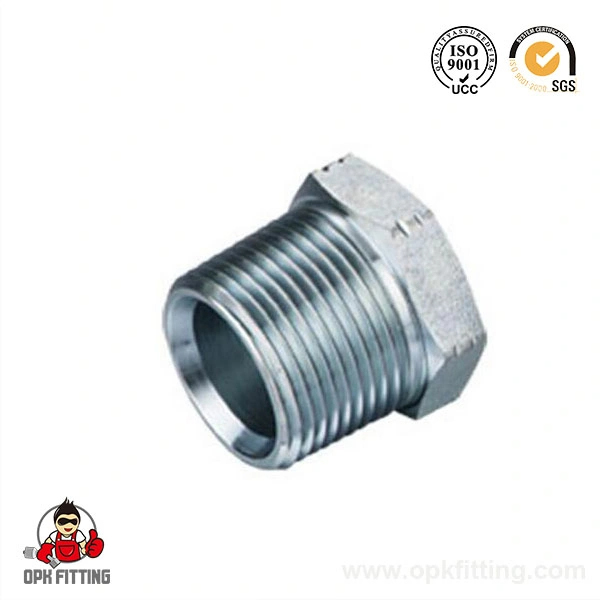
Product Description hydraulic adaptor metric male O-Ring flat sealing pipe fittings Material: Carbon Steel, Stainless Steel Surface Treatm...
See Details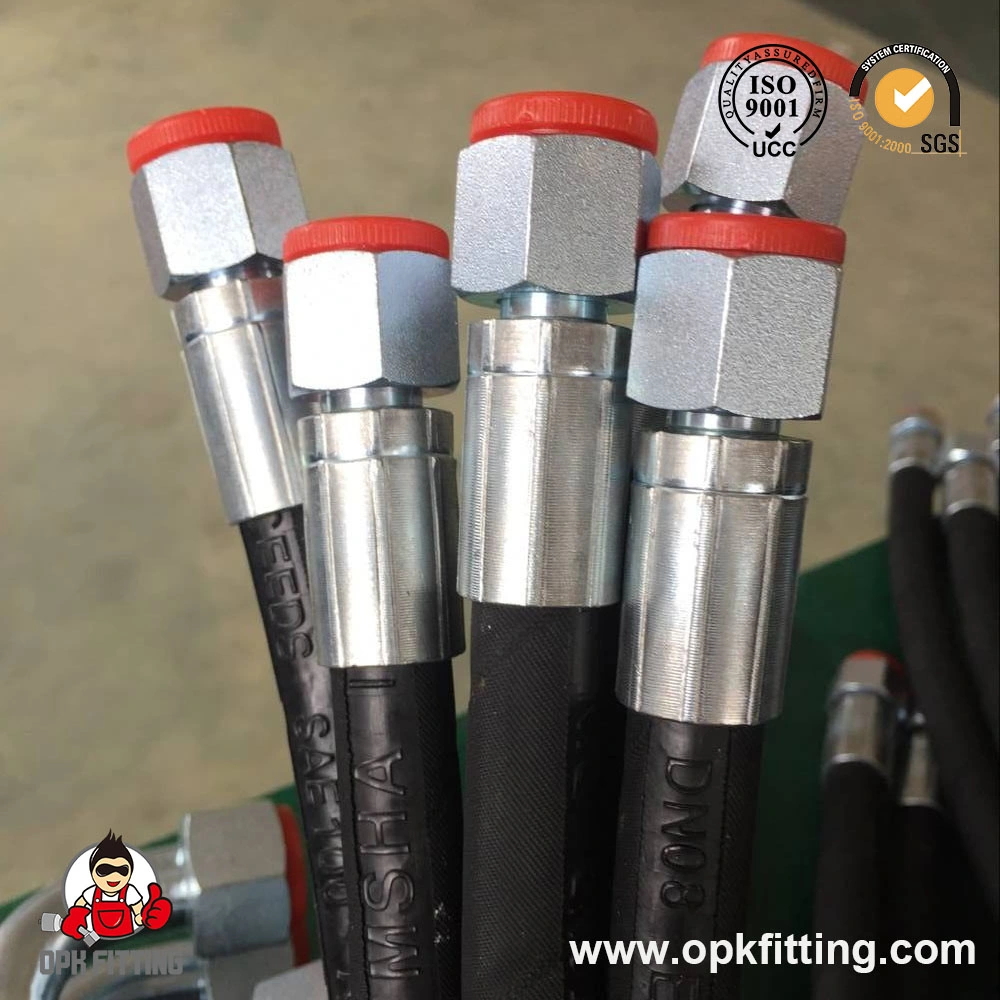
Inner tube: Thermoplastic Polyester Reinforcement: Two high-tenacity polyester braids reinforcement Cover: Oil and weather resistant syntheti...
See Details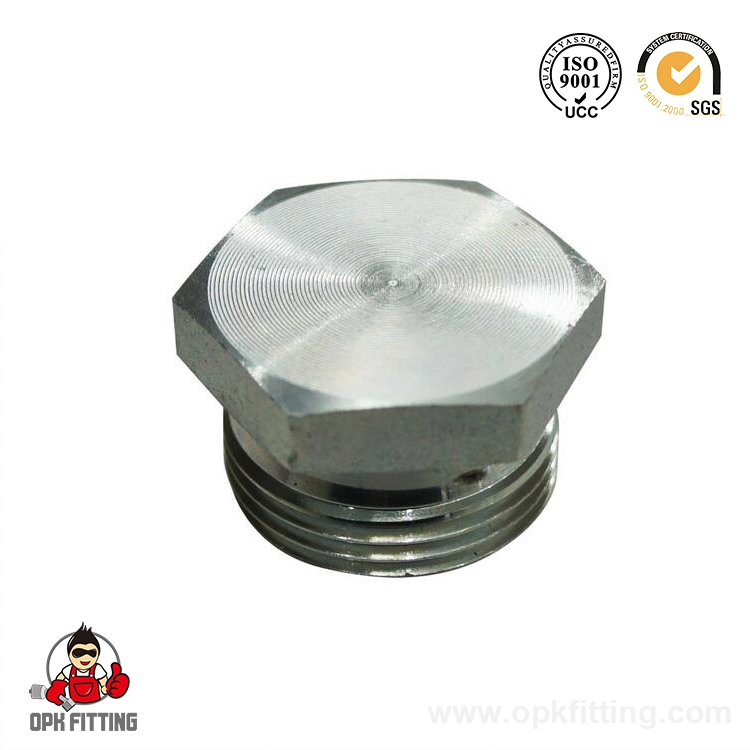
Product Description hydraulic adaptor metric male O-Ring flat sealing pipe fittings Material: Carbon Steel, Stainless Steel Surfac...
See Details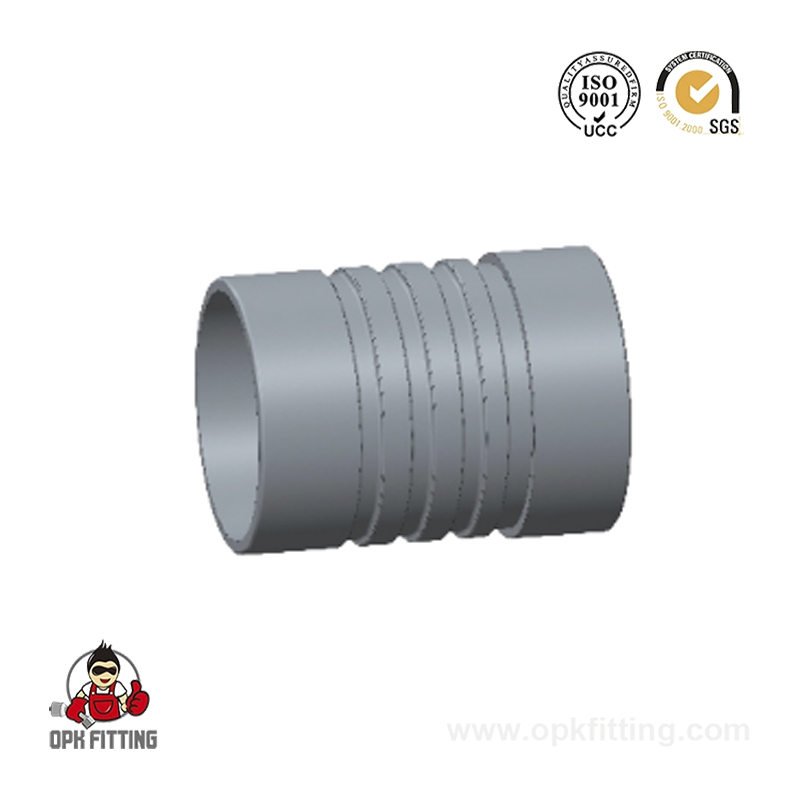
Description Of Products: 1. Raw Material: Carbon Steel & Stainless Steel available 2. Standard Plating: Trivalent Zinc Plating ( Cr3 / Chrome...
See Details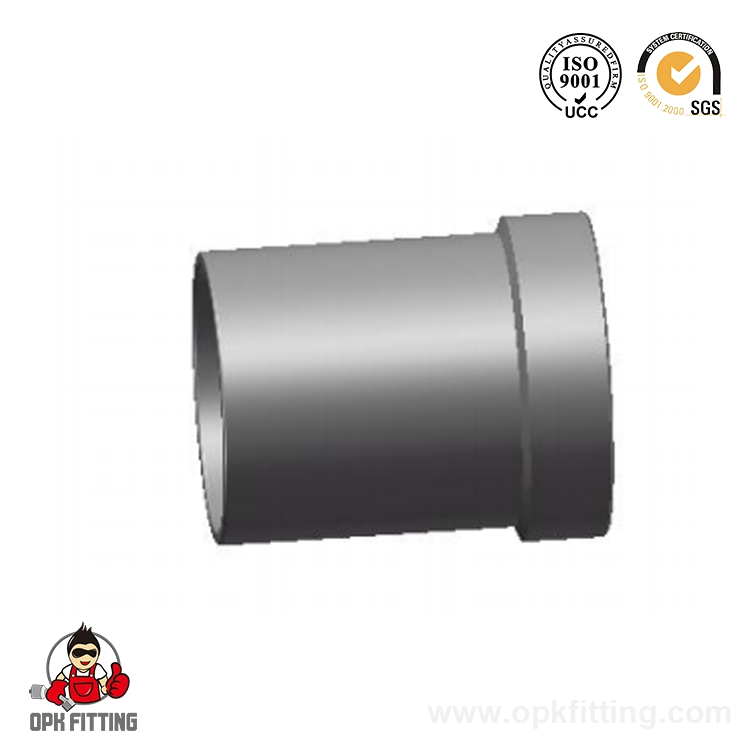
Description Of Products: 1. Raw Material: Carbon Steel & Stainless Steel available 2. Standard Plating: Trivalent Zinc Plating ( Cr3 / Chrome...
See Details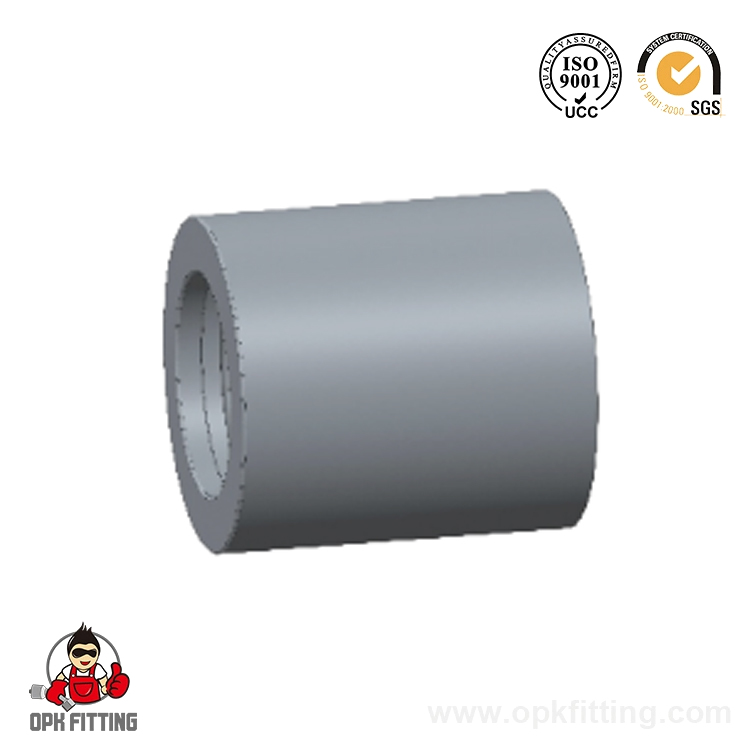
Description Of Products: 1. Raw Material: Carbon Steel & Stainless Steel available 2. Standard Plating: Trivalent Zinc Plating ( Cr3 / Chrome...
See Details

+86-18868902802


No. 298, Chenghai Road, Binhai New District, Fenghua Economic Development Zone, Fenghua District, Ningbo City, Zhejiang Province, China
著作権@ Ningbo Opk Fitting Co., Ltd. Hydraulic Hose Fittings Manufacturers OEM & Custom Adaptors Company
